Key Takeaways
- Clear snot is usually harmless — mild irritation, a dusty room, or early virus. Monitor at home for 24–48 hours if your cat is eating and acting normally.
- Yellow and green snot signal white blood cells at work — the color comes from neutrophil enzymes, meaning a bacterial infection, or a virus with secondary bacteria.
- Blood, brown discharge, or one-nostril-only discharge changes the game — these point to tooth root abscesses, fungal infection, polyps, or tumors and need a vet workup.
- Feline herpesvirus (FHV-1) drives most recurring cat snot — some studies estimate exposure approaching 90% in shelters and catteries, and the virus reactivates under stress for life.
- Duration beats any single color — discharge past 7–10 days, thickening, or locked to one nostril is where most vets recommend diagnostics.
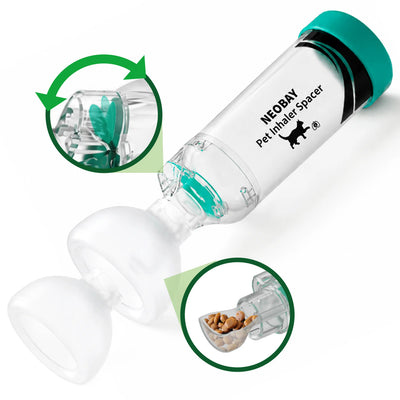
Most cat snot colors tell a clear story: clear means mild irritation or early virus, yellow and green mean infection, and red, brown, or one-nostril-only discharge means book the vet now. Roughly 80–90% of feline upper respiratory infections trace back to herpesvirus and calicivirus, so recurring snot is rarely a hygiene problem you can wipe away — and if your vet eventually prescribes inhaled or nebulized therapy for stubborn congestion, home delivery runs through a chamber like the Neobay inhaler spacer. Here is what each color means and how fast you need to act on it.
A Reddit owner in r/cats described the classic moment: waking up to "a yellow/green clump of snot flying into my hair" — from a kitten who was otherwise "acting like himself, running around with his brother, playing, eating." That split, alarming snot and normal cat, is exactly where most owners get stuck. This guide breaks both halves apart.
The Snot Color Chart: 7 Colors and What They Mean
Nasal discharge — the moisture and mucus a cat's nasal lining produces; a small amount of clear, watery discharge is normal, and changes in color or thickness are the clue the immune system is fighting something.
| Color | What's usually behind it | Urgency |
|---|---|---|
| Clear / watery | Mild irritation, dust, allergens, early viral stage, or plain excitement | Monitor 24–48h |
| Cloudy / white | Inflammation building — early infection or chronic rhinitis | Watch closely; vet if it thickens |
| Yellow | Infection with white blood cells (neutrophils) in the mucus | Vet within a few days |
| Green | More advanced bacterial infection, or a viral infection with secondary bacteria | Vet within a few days |
| Red / bloody | Foreign body (grass awn), trauma, tooth root abscess, fungal infection, growth, or clotting issue | Vet now — same day |
| Brown | Old, dried blood — something bled upstream a day or two ago | Vet this week |
| Black crust | Dried discharge and dust at the nostril edges — or dried blood; check whether it wipes away cleanly | Clean and monitor; vet if it rebuilds daily or sits on one side |
Two details beat the color alone. First, thickness: thin clear spray behaves very differently from thick glue-like mucus that blocks a nostril. Second, which nostril — that one decides almost everything, which is next.
One Nostril or Both? The Detail Owners Miss
Discharge from both nostrils fits the common pattern: a viral or bacterial upper respiratory infection moving through, usually with sneezing and maybe eye discharge. These infections are common, often self-limiting in healthy adults, and respond to supportive care.
Discharge from one nostril only — especially for weeks — is a different category. VCA Hospitals notes chronic one-sided discharge raises concern for problems sitting inside that one nasal passage: a tooth root abscess (upper tooth roots sit right against the nasal cavity), a fungal infection such as cryptococcosis — the most common fungal nasal disease in cats — a nasal polyp, an inhaled foreign body, or a tumor. None of those clear with antibiotics or time. One r/AskVet owner posted about right-sided congestion that persisted through every routine treatment; the thread's recurring advice was imaging and scoping, not another round of meds.
Green Snot but Acting Totally Normal: When Can You Wait?
This is the paradox that fills Reddit threads. The r/cats owner above went through a full workup — antibiotics, vaccines, even a nasal scope that flushed out hardened mucus — while her kitten kept playing like nothing was wrong. Another owner in the same thread reported nearly a year of intermittent green boogers, "still sneezing" after antibiotics and an antiviral.
The usual culprit is feline herpesvirus (FHV-1) — a lifelong virus that hides in nerve tissue and reactivates during stress, new environments, or other illness. Some studies estimate exposure approaches 90% in shelter and cattery populations, which is why so many adopted cats sneeze green for years. Secondary bacteria move in behind the virus, which is what turns the mucus yellow or green.
So when is green snot watchable? All of these together: normal eating, stable weight, quiet breathing with the mouth closed, normal energy, and discharge that comes and goes rather than steadily worsening. Any one of those breaking down — appetite drop, noisy breathing, lethargy, weight loss — moves you out of "wait" and into the vet's schedule, quickly.
Can stress really make my cat's snot turn green again after months of nothing?
Yes — textbook herpesvirus reactivation. A new home, a new pet, boarding, even a houseguest can suppress immunity enough for the virus to flare, and bacterial color follows within days. Keep a simple log of flare dates; vets use that pattern to distinguish chronic herpes from allergies and structural problems.
Home Care That Actually Helps (and What to Never Do)

For a cat who is eating and acting normally, veterinarians including VCA and Bond Vet converge on the same short list:
- Humidity — a humidifier near your cat's resting spot, or 10 minutes of bathroom steam during a hot shower. Moisture loosens thick mucus so sneezes actually clear it.
- Warm, strong-smelling food — congested cats eat less because they can't smell. Warm wet food or tuna in juice restarts appetite fast.
- Gentle nose wipes — a clean cloth with warm water, softening crust before wiping. Never pick at dried crust.
- Water, everywhere — dehydration thickens mucus. Add a fountain or an extra bowl.
- Cut the irritants — scented candles, aerosol sprays, dusty litter, and smoke all inflame nasal linings and prolong flares.
Never give human cold medicine, decongestants, or nasal sprays — phenylephrine and similar compounds are toxic to cats at tiny doses. The same goes for essential-oil "nebulizing" around cats; eucalyptus and tea tree oil are dangerous. If congestion is bad enough that you're considering medication, that's the moment for a vet visit. For truly stubborn cases, vets sometimes recommend saline nebulization, which we cover in Cat Nebulizer vs. Aerosol Chamber: Which Is Best?
The 4-Level Triage: Monitor, Watch, Book, or Go Now

Color tells you what's likely happening. These four levels tell you how fast to respond.
- Level 1 — Monitor (24–48h): clear discharge, brief, cat completely normal. Home care only.
- Level 2 — Watch closely (48h): yellow or green discharge but eating, playing, and breathing normally. Start humidity and food tricks; book a vet slot if no improvement in 2–3 days.
- Level 3 — Book this week: any discharge past 7–10 days, thickening color, one-nostril pattern, brown discharge, or recurring green flares more often than monthly.
- Level 4 — Vet now: active bleeding, breathing with an open mouth, refusal to eat for over 24 hours, sudden lethargy, or a visible swelling near the nose or eye. Mouth-open breathing in a cat is always an emergency.
For Level 3, expect the diagnostic ladder to climb from a physical exam and dental check to sedated imaging — X-rays, rhinoscopy, a CT scan, or a PCR panel for viruses. One r/AskVet thread about chronic one-sided discharge ended with a CT booked and a PCR panel pending after months of failed antibiotics. That's the normal path for stubborn cases, not a sign your vet is stalling.
Frequently Asked Questions
What color snot is normal for a cat?
A small amount of clear, watery discharge is normal, and it can dry to a dark crust at the nostril edges overnight — that alone isn't illness. Sustained colored discharge, thick mucus, or fresh blood is not normal.
When should I take my cat to the vet for nasal discharge?
Within 2–3 days for yellow or green discharge, this week for brown or one-sided discharge, immediately for bleeding, open-mouth breathing, or a cat who stops eating. Any discharge past 7–10 days deserves an exam even if your cat seems fine.
Why does my cat only have discharge from one nostril?
One-sided discharge that persists points to something physically in or pressing on that nasal passage — a tooth root abscess, a fungal infection, a polyp, an inhaled grass awn, or less commonly a tumor. It needs a workup, not watchful waiting.
Is green snot always an infection?
Almost always. The green comes from neutrophils — immune cells — which means bacteria are involved, either as the primary problem or riding behind a virus like herpes. A single green sneeze in an otherwise normal cat can wait a day; steady green discharge should not.
Does blood in my cat's snot mean cancer?
Not usually — foreign bodies, dental disease, and infections cause bloody discharge far more often than tumors do. But blood is never a "wait and see" symptom, and in older cats with one-sided bloody discharge, vets check for growths precisely because early detection changes outcomes.
What to Do Next
- Identify the color and the nostril using the chart above — those two facts alone get you 80% of the way to the right decision.
- Match your situation to the triage level and act on that timeline, not on how guilty or calm you feel.
- Read the deep-dive on recurring cases — our complete guide covers causes and treatment options: Is Your Cat Sneezing? The Ultimate Guide to Feline Rhinitis.
If congestion comes with coughing, wheezing, or fast breathing while asleep, the problem may sit below the nose — see Why Is My Cat Wheezing? and Cat Reverse Sneezing vs. Asthma Cough to tell nasal noise from lung trouble. And if your vet's plan includes inhaled medication, our cat inhaler spacer guide explains how chamber delivery works.
Have questions? Visit our FAQ page or contact us directly.
Sources:
- VCA Hospitals — "Chronic Upper Respiratory Tract Disease"
- Cornell Feline Health Center — "Feline Upper Respiratory Infection"
- Merck Veterinary Manual — "Nasal and Paranasal Sinus Cancers" and cryptococcosis overview
- Veterinary Partner (VIN) — client education on feline herpesvirus and rhinitis
Related Reading
This article is part of our Ultimate Guide to Feline Rhinitis — the complete walkthrough of why cats get chronic snotty noses, which treatments actually work, and how to partner with your vet on stubborn cases.