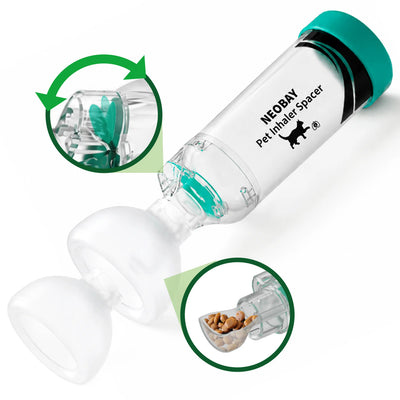
Key Takeaways
- Yes — feline asthma can be seasonal. International Cat Care notes the disease "may be seasonal" in some cats, and veterinarians commonly report flare-ups clustering in spring and fall when airborne allergens spike.
- Fall attacks airways from both directions: outdoor allergens change (leaf mold, ragweed pollen) while indoor air gets worse (heating dust, closed windows, accumulating allergens) — a double exposure summer never delivers.
- The first time your furnace runs, it blows months of accumulated dust into your home in a single evening — one of the most overlooked fall triggers for asthmatic cats.
- Closed windows raise indoor allergen concentration all winter. A runner with a HEPA filter in the room where your cat spends the most time, plus humidity kept near 50%, measurably cuts the load.
- Environmental management reduces flare-ups but never replaces prescribed medication. Fall is the right season to ask your vet whether the daily inhaled dose needs adjusting — before symptoms force an emergency visit.
Yes — cat asthma absolutely can get worse in fall, and there's a mechanism behind it: the season swaps the outdoor allergen load (leaf mold and fall pollens like ragweed) while simultaneously degrading indoor air (first-heat dust, closed windows, seasonal candles and sprays), so an asthmatic cat takes hits from both directions at once. Feline asthma affects an estimated 1-5% of cats (Cornell Feline Health Center), and while it can't be cured, the seasonal flare pattern is one of the most manageable parts of the disease — most cats breathe easier within days once triggers are reduced and the daily inhaled routine, delivered through a Neobay spacer chamber, stays consistent through the season change. Here's what's actually attacking your cat's airways this autumn, and what to do about each one.
Why Fall Is a Perfect Storm for Cats With Asthma
Summer is forgiving. Windows are open, allergens stay diluted, the furnace sits cold and clean. Then fall arrives and three things happen in quick succession: the outdoor allergen profile flips from tree and grass pollens to mold spores and ragweed, the heating system wakes up after months of collecting dust, and the windows close — trapping everything indoors for the next six months.
Feline asthma — a chronic inflammatory airway disease affecting an estimated 1-5% of cats, in which allergen-driven inflammation narrows the small airways and makes exhaling harder. For a cat whose airways are already primed, fall isn't one trigger. It's five, arriving together.
Owners see the pattern even when nobody has explained it. One r/CATHELP owner wrote: "Typically his symptoms worsen during spring and fall. He has ~30 second coughing fits... is it normal for their symptoms to get worse during the change of seasons?" Reports like "fall is worse because two years now we've had emergency visits" show up across owner communities — and the intuition maps directly onto the trigger stack below.
Trigger 1: Leaf Mold and Fall Pollen
That pile of leaves your cat loves to watch from the window is a mold farm. Wet, compacted leaves break down fast, and decaying leaf litter releases mold spores in quantities that peak in damp fall weather. Fall pollens are different from spring's, too — ragweed is the dominant fall pollen in much of the world, and it's a recognized seasonal allergen that travels for miles on the wind.

An indoor cat isn't automatically safe. Spores and pollen ride inside on shoes, clothing, and fur, settle on window screens, and drift in whenever a door opens. The exposure is smaller than an outdoor cat's, but an asthmatic airway doesn't need much.
What helps: rake leaf litter away from the doors and windows you use most, wipe paws after outdoor access, and keep the litter box far from sleeping areas — for the full dust-and-litter breakdown, see our guide to common asthma triggers.
Does leaf mold affect a purely indoor cat? Yes, indirectly. Mold spores and ragweed pollen enter on clothes, shoes, and through open windows, so indoor cats get a diluted dose rather than none — and because closed-up fall air keeps recirculating, that dose accumulates instead of clearing.
Trigger 2: First-Heat Dust (the Furnace Problem Nobody Warns You About)
The night the heating comes on, the whole duct system exhales months of accumulated dust in a few hours. Owners describe a "burning dust" smell — that smell is the trigger. One Reddit owner traced a full day of coughing fits to exactly this: "it was dustier than usual in the house and dust does seem to be a trigger."
Before the first cold snap:
- Replace or clean the furnace filter (allergen-rated if your system allows).
- Run the heating for an hour with windows open and the cat in another room — burn the dust off first.
- Vacuum radiators, vents, and baseboard heaters with a brush attachment.
- Damp-wipe surfaces instead of dry-dusting, which launches particles back into the air.
- Wash the cat's bedding — it collected all summer too.
Trigger 3: Closed Windows and the Indoor Air Trap
Closed windows don't add allergens — they stop removing them. Everything summer ventilation diluted now concentrates and recirculates, and heating dries the air enough to further irritate inflamed airways.
The trade-off is real: open windows let in cold air and pollen, closed windows trap indoor allergens. The practical answer is filtration and balance, not one or the other:
- A HEPA air purifier in the room where your cat spends the most time does the work open windows used to do.
- Target around 50% indoor humidity — a cheap hygrometer tells you whether you need a humidifier or, in damp climates, a dehumidifier to discourage mold and mites.
- Short, timed ventilation during the warmest part of the day gives fresh air without freezing anyone.

Is cold air itself a trigger? For many asthmatic cats, yes — cold, dry air directly irritates sensitized airways. If your cat loves window-watching in winter, a draft-free perch with a cushion between cat and glass is the compromise.
Trigger 4: Fall Activities and Hidden Irritants
Autumn brings its own product lineup, and most of it is bad for asthmatic airways:
- Candles and scent diffusers. Fall-scented candles, wax melts, and essential oil diffusers are constant low-level smoke and volatile compounds. LED candles give the same glow with none of the particulate — the swap costs nothing and removes a nightly trigger.
- Fall pest control. Rodent and insect sprays peak in autumn as pests move indoors. If you must treat, keep the cat out of treated rooms until surfaces are dry and aired, and never spray near the cat's sleeping or eating areas.
- Dusty seasonal decor. Decorations that sat in storage all year come out covered in dust and sometimes mold. Wipe them down outside before they enter the living room.
- Seasonal bedding and mites. Warm, heated rooms plus fresh-from-storage blankets are dust mite season too. Wash seasonal bedding hot before it goes on the couch.
Is It Asthma or a Fall Cold? When to Call Your Vet
Fall is also respiratory-infection season, and a URI mimics an asthma flare. One owner described the yearly pattern: "typically in the winter he will develop a URI which oral doxycycline clears right up." The clues differ — asthma coughing is dry, positional (crouched, neck extended), and often follows trigger exposure, while infections bring sneezing, discharge, lethargy, and appetite loss. When in doubt, record a video of an episode for your vet; it's the single most useful thing you can bring.
Two rules worth treating as law. First, don't reduce medication because October went well — owners admit "trying to cut corners" on doses right before seasonal relapses, and vets see it every fall. Second, fall is the natural checkpoint to ask whether the current dose still fits: cats with strongly seasonal disease sometimes need an adjusted plan going into winter. If your cat is on inhaled maintenance therapy, the season change is exactly when the daily routine matters most — and when smooth, stress-free dosing matters most. A chamber your cat actually accepts, like the Neobay spacer with Visual Flow Indicator, keeps the twice-daily session calm and confirms each breath, so winter dosing doesn't become a fight.
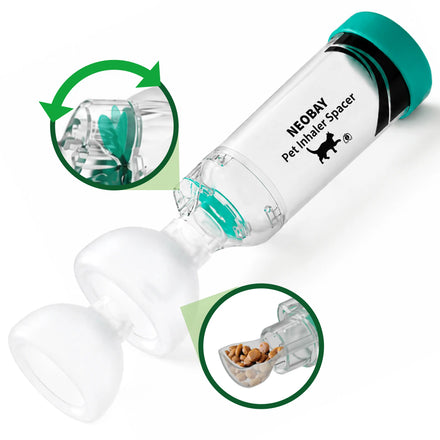
Katzen-Inhalierhilfe mit Aerosolkammer | Neobay
- Atemindikator zur Beobachtung der Bewegung
- Leckerli-Aufsatz für ruhige Maskenübungen
- Antistatische Kammer für die tierärztlich abgestimmte Routine
Frequently Asked Questions
Is it normal for cat asthma to get worse in fall?
It's common and usually explainable: fall combines outdoor allergen changes with indoor air changes, so flare-ups cluster in this season. Worsening that responds to trigger control is expected; severe attacks or breathing effort at rest need a vet the same day.
Why does my cat cough more right after the heating turns on?
The first furnace run releases months of accumulated dust in a few hours. Replace the filter, run the first cycle with windows open and the cat elsewhere, and vacuum vents before the cold season starts — most first-heat coughing fades within days once that initial dust event passes.
Should I keep windows open or closed for my asthmatic cat in fall?
Neither extreme. Closed windows trap indoor allergens all winter; open ones admit cold air and pollen. Use a HEPA purifier in your cat's main room, ventilate briefly during the warmest hours, and avoid drafty window perches in cold weather.
Do air purifiers actually help cats with asthma?
Yes — they remove the particles that drive airway inflammation. Place one with a true HEPA filter in the room where your cat spends the most time and run it continuously through the heating season.
Can leaf mold affect an indoor-only cat?
Indoors reduces exposure but doesn't eliminate it — spores and pollen travel in on clothing, shoes, and fur. Keeping leaf litter away from entry doors, wiping paws, and running a purifier covers most of the remaining risk.
Should I ask my vet to adjust medication before winter?
If your cat's asthma has any seasonal pattern, yes — a fall check-in lets you adjust before symptoms spike rather than after. Never change doses yourself; entering the high-risk season under-medicated is the most avoidable fall mistake.
What to Do Next
- Cut the big dust event: replace the furnace filter and burn off first-heat dust with windows open before real cold arrives.
- Set up the indoor season: HEPA purifier in your cat's main room, humidity near 50%, seasonal bedding washed hot.
- Book the fall vet check — confirm the medication plan fits the season, and that a rescue inhaler is on hand if your vet recommends one.
For the complete picture of living with an asthmatic cat, start with our complete feline asthma owner's guide. If nighttime coughing is your main worry this season, read why cats cough more at night. Questions we haven't covered? Visit our FAQ page or contact us directly.
Related Reading
This article is part of our Feline Asthma: The Complete Owner's Guide — everything from first symptoms to lifelong daily management in one place.
Sources
- Cornell Feline Health Center. "Feline Asthma: What You Need to Know." Cornell University College of Veterinary Medicine. https://www.vet.cornell.edu/departments-centers-and-institutes/cornell-feline-health-center/health-information/feline-health-topics/feline-asthma-what-you-need-know
- MSD Veterinary Manual — Feline Bronchial Asthma (environmental aeroallergen avoidance as part of management).
- International Cat Care. Asthma and Chronic Bronchitis in Cats ("the disease may be seasonal" in some cats).
- VCA Animal Hospitals — Feline Asthma (trigger list including diffusers and scented products).
- Blue Cross (UK) — Caring for a Cat With Asthma (attack diary to reveal seasonal patterns).
- Owner reports: r/CATHELP, r/CatAdvice, and feline asthma owner communities, 2024-2026 (quoted as owner experiences, not clinical data).